
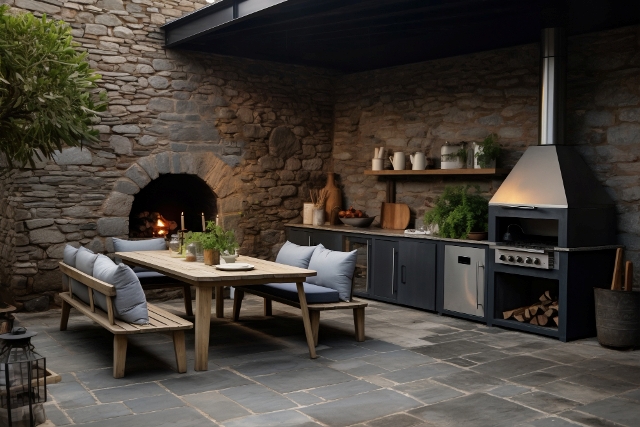
Outdoor kitchens have moved well beyond the humble BBQ tucked into a corner of the backyard. Across Australia, homeowners are transforming their outdoor areas into fully functional cooking and entertaining spaces that rival indoor kitchens. When designed well, an outdoor kitchen becomes the heart of gatherings, weekend cooking, and relaxed family time.
However, getting the layout and appliances right is critical. A poor setup can limit usability, waste space, and lead to costly changes later. Drawing on real-world design experience, this guide walks you through how to choose the right outdoor kitchen layout and appliances—practically, thoughtfully, and with long-term value in mind.
Why Planning Matters for Outdoor Kitchens
Unlike indoor kitchens, outdoor kitchens must work with:
- Weather exposure
- Available space and landscaping
- Local building regulations
- Entertaining flow rather than daily meal prep
Good planning ensures your outdoor kitchen:
- Feels natural to use
- Is safe and durable
- Enhances property value
- Matches your lifestyle, not just trends
Step 1: Choose the Right Outdoor Kitchen Layout
Common Outdoor Kitchen Layout Options
| Layout Type | Best For | Pros | Cons |
| Straight-Line | Small yards, balconies | Simple, cost-effective, easy installation | Limited prep and storage space |
| L-Shaped | Medium-sized patios | Better workflow, more bench space | Requires careful corner planning |
| U-Shaped | Larger outdoor areas | Excellent efficiency and storage | Higher cost, needs ample space |
| Island-Style | Entertaining-focused homes | Social, flexible seating options | Requires more utilities planning |
How to Choose the Best Layout for Your Space
Ask yourself:
- How many people will cook at once?
- Will guests gather around the kitchen or sit separately?
- Do you want the cook facing guests or away from them?
- Is there easy access to the indoor kitchen?
Expert tip: Always allow at reminder least 1–1.2 metres of clear walkway around benches to maintain safe movement and airflow.
Step 2: Apply the Outdoor Kitchen Work Zone Principle
Just like an indoor kitchen, outdoor kitchens work best when divided into zones.
Essential Outdoor Kitchen Zones
- Cooking zone – BBQ, grill, pizza oven
- Preparation zone – Benchtops near the cook area
- Cleaning zone – Sink, bin, dishwasher (optional)
- Storage zone – Cabinets, drawers, gas bottle housing
- Serving/entertaining zone – Bar seating or dining area
Keeping these zones logically placed reduces unnecessary movement and improves usability.
Step 3: Selecting the Right Outdoor Kitchen Appliances
Must-Have Outdoor Appliances
1. BBQ or Grill
This is the centrepiece of most outdoor kitchens.
What to look for:
- Stainless steel (marine-grade if near the coast)
- Multiple burners for heat control
- Integrated hood thermometer
Gas vs Charcoal:
- Gas: Convenience and consistent heat
- Charcoal: Flavour and cooking experience
2. Outdoor Refrigerator
An outdoor-rated fridge saves trips inside and keeps drinks cold.
Checklist before buying:
- UV-resistant exterior
- Proper ventilation clearance
- Lockable door for safety
3. Sink and Tapware
A sink improves hygiene and functionality.
Pros:
- Easier clean-up
- Better food safety
- Adds value to the kitchen
Cons:
- Requires plumbing approval
- Higher installation cost
4. Pizza Oven (Optional but Popular)
Pizza ovens are increasingly popular in Australian backyards.
Ideal for:
- Entertaining
- Family nights
- Artisan cooking beyond pizza
Optional Appliance Add-Ons
- Side burners
- Smokers
- Outdoor dishwashers
- Warming drawers
Only include extras if they suit how you actually cook.
Step 4: Choose Durable Materials for Australian Conditions
Outdoor kitchens must handle heat, rain, UV exposure, and coastal air.
Recommended Materials
Benchtops
- Porcelain
- Sealed granite
- Concrete (properly sealed)
Cabinetry
- Stainless steel
- Aluminium
- Weatherproof polymer boards
Flooring
- Slip-resistant tiles
- Natural stone with sealing
Avoid indoor-only materials like MDF or untreated timber.
Step 5: Consider Local Climate and Location
If you’re designing outdoor kitchens perth homeowners should pay particular attention to:
- Coastal corrosion protection
- Wind direction
- Shade solutions
- Year-round usability
Adding pergolas, retractable awnings, or outdoor blinds can dramatically extend how often the kitchen is used.
Step 6: Safety, Compliance, and Utilities
Safety Checklist
- Proper ventilation for gas appliances
- Fire-resistant splashbacks
- Certified gas and electrical installations
- Adequate lighting for night cooking
Always work with licensed trades to ensure compliance with Australian standards.
Pros and Cons of Investing in an Outdoor Kitchen
Pros
- Expands living and entertaining space
- Increases property appeal and value
- Encourages outdoor lifestyle
- Reduces indoor mess during gatherings
Cons
- Higher upfront cost
- Requires ongoing maintenance
- Seasonal usage in some regions
Practical Outdoor Kitchen Planning Checklist
✔ Measure your available space accurately
✔ Choose a layout that suits movement and entertaining
✔ Select appliances based on real cooking habits
✔ Use weather-resistant materials only
✔ Plan utilities early (gas, water, power)
✔ Think about shade, lighting, and seating
Frequently Asked Questions (FAQ)
How much space do I need for an outdoor kitchen?
A basic setup can work in as little as 2.5–3 metres, while full kitchens typically need 4–6 metres for comfort.
Do outdoor kitchens add value to a home?
Yes, when designed professionally and built with durable materials, they can significantly enhance buyer appeal.
Can outdoor kitchens be used year-round?
With proper shelter, heating, and lighting, outdoor kitchens can be enjoyed throughout most Australian seasons.
What’s the biggest mistake people make?
Overloading the kitchen with appliances they rarely use or choosing materials not suited to outdoor exposure.
Do I need council approval?
This depends on plumbing, gas, and structural elements. Always check local requirements before building.
Final Thoughts: Designing an Outdoor Kitchen That Truly Works
A successful outdoor kitchen isn’t about copying a showroom design—it’s about creating a space that fits your lifestyle, climate, and entertaining style. The right layout ensures smooth movement, while carefully chosen appliances make cooking enjoyable rather than frustrating.
By investing time in planning, selecting durable materials, and focusing on practical design principles, your outdoor kitchen can become one of the most rewarding areas of your home.